Sean O’Neill’s Early Favorites for MLTT Season 4
Season 4 of Major League Table Tennis may feature the deepest collection of talent the league has seen yet.
Between major offseason signings, international stars joining MLTT, returning championship cores, and increasingly sophisticated team-building strategies, the race for the MLTT Cup looks far more open than ever before.
Think of this as our preseason power rankings, the kind of debate every sports fan loves. Who’s the favorite, who’s the wild card that could shake things up, and who’s the sleeper that could ruin someone’s season. The talent level across MLTT keeps rising, and teams are now building real identities and systems, not just collecting names. That’s exactly what a growing league needs.
After reviewing the Season 4 draft results, roster movement, returning player cores, and Season 3 performances, here are my early favorites heading into the new season.
5 Players to Know This Season
Nikhil Kumar (Portland): A do-it-all threat across singles, doubles, and the Golden Game, the format’s tense, high-value final segment that often decides matches.
Robert Gardos (Chicago): Last season’s MVP, and the anchor of what may be the deepest roster in the league.
Quadri Aruna (Atlanta): A former World Top 10 player and Olympic quarterfinalist, now the headline addition to MLTT’s biggest offseason makeover.
Kang Dong-Soo (Princeton): One of the league’s strongest overall performers, and the engine behind its highest-variance team.
Paul Drinkhall (Texas): A new international coach who could turn Texas into one of Season 4’s most improved teams.
1. Portland Paddlers
The Champions Still Deserve Respect
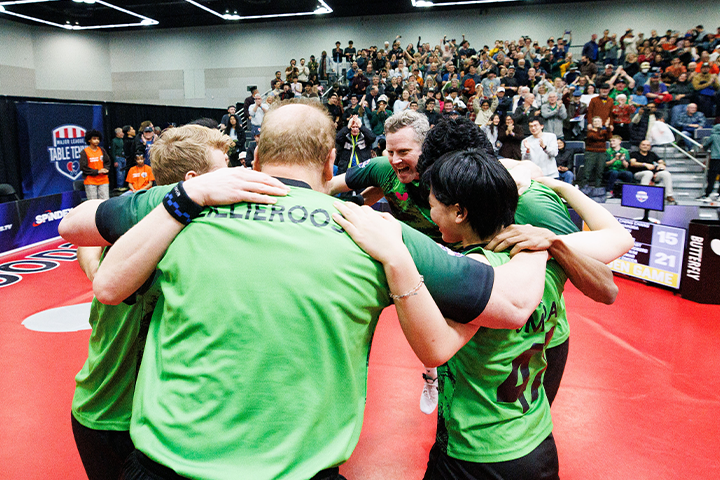
Until somebody knocks them off, the Portland Paddlers remain the team to beat.
Portland finished Season 3 with a dominant 16-2 regular season record before surviving multiple playoff pressure moments to win the MLTT Championship. Their biggest strength was not simply talent. It was chemistry, confidence, and the ability to win difficult moments repeatedly.
Nikhil Kumar continues to develop into one of the most dangerous players in MLTT, someone who can beat you in singles, in doubles alongside Sid Naresh, or in the Golden Game when the pressure is highest. Jens Lundqvist remains one of the league’s smartest veterans and emotional leaders. Hampus Nordberg’s fight and Min Hyoek Kim’s speed plus Kotomi Omoda’s “go for it” mentality proved invaluable in pressure situations, while Portland’s overall lineup flexibility consistently created matchup problems.
One important factor entering Season 4 is that Portland should have several of its top players back after availability issues impacted Championship Weekend. If the Paddlers can consistently field their strongest lineup, they may actually be even deeper and more dangerous than the roster that won the title last season.
That also places added importance on coach Christian Lillieroos and his management of player schedules and availability throughout the season. MLTT’s travel demands and overlapping international events make roster management critical, and Portland’s ability to keep its “A Team” on the table as often as possible could ultimately determine whether the Paddlers repeat as champions.
Championship teams also tend to gain something important after winning together: belief.
That matters in MLTT, where so many matches swing on momentum and pressure, every point counts toward the team score, and a single late run can flip a result.
The biggest challenge for Portland may actually be hunger. Every team will now be targeting the defending champions.
2. Chicago Wind
The Deepest Roster in MLTT?
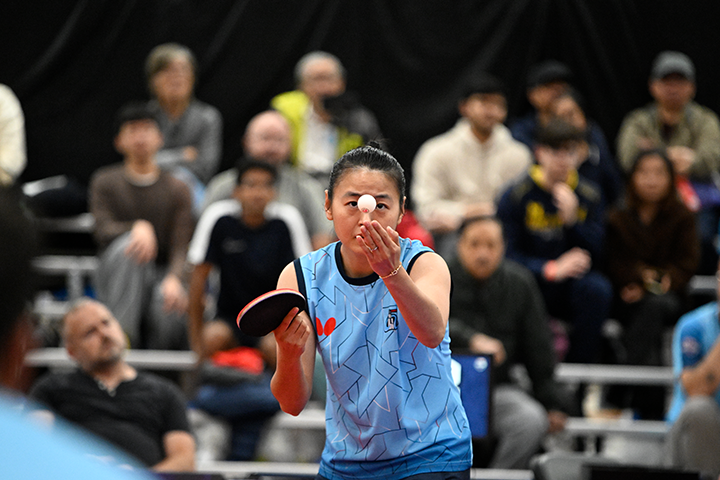
Chicago may have the most balanced roster from top to bottom.
Season 3 already showed how dangerous the Wind could become when their lineup was healthy and available consistently. The addition of more international experience and continued development from their returning core could elevate Chicago into a legitimate championship favorite.
Robert Gardos returns as Season 3 MVP and Emmanuel Lebesson remains one of the highest-level players in the league, while the Wind also feature multiple players comfortable in both singles and doubles pressure situations.
Chicago’s biggest advantage may be roster depth. MLTT seasons are long, travel-heavy, and unpredictable. Teams that can survive injuries, availability issues, and lineup changes usually rise by the end of the year.
Chicago looks built for that type of grind.

3. Atlanta Blazers
The League’s Biggest Wild Card
No team may have improved more dramatically this offseason than the Atlanta Blazers.
After finishing 5-13 in their inaugural season, Atlanta completely reshaped the organization entering Year 2. The biggest move was landing Nigerian superstar Quadri Aruna, one of the most recognizable names in world table tennis and a former World Top 10 player.
But Atlanta’s roster goes far beyond Aruna alone.
Yuya Oshima and Kayama Yu already proved capable of competing at a very high MLTT level last season. Add in Rachel Sung, Braxton Chang, Kim Woojin, and Yuanxinnai Yuan, and suddenly Atlanta has one of the league’s most internationally experienced rosters, players from five countries now wearing the same jersey.
New head coach Koji Itagaki may also become one of the most interesting coaching additions in MLTT. His aggressive thinking about strategy, doubles play, and innovation fits perfectly with MLTT’s unique format.
The biggest question for Atlanta is chemistry.
If the Blazers develop strong communication and buy into the team concept quickly, they could absolutely compete for a title.
4. Carolina Gold Rush
Never Count Out Experience
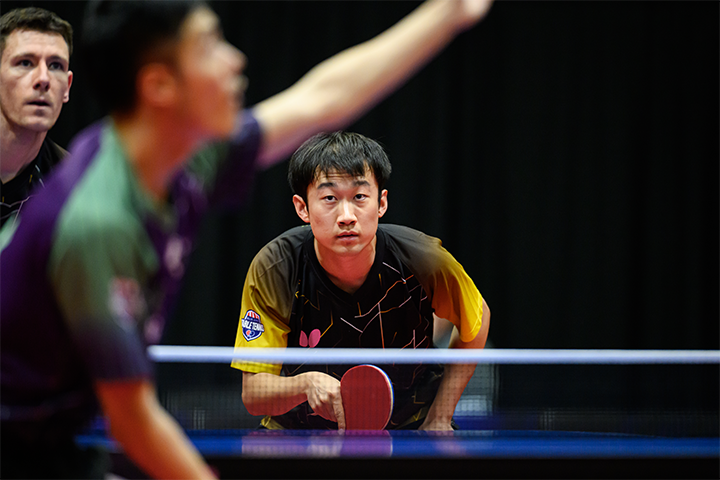
Carolina may quietly be one of the smartest organizations in MLTT.
The Gold Rush consistently find ways to stay competitive because they understand the league format extremely well. Their lineups are usually disciplined, balanced, and mentally tough during Golden Games, those tense, high-value final segments that often decide matches.
Veterans matter in MLTT, especially when every point carries pressure.
Carolina may not always generate the biggest headlines, but they continue putting themselves in position to win.
That alone makes them dangerous.
5. Princeton Revolution
The Ultimate Boom-or-Bust Team
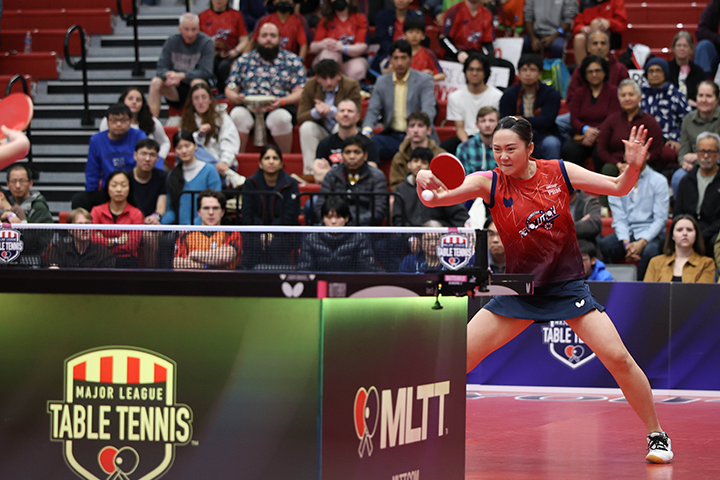
Princeton may have the widest range of possible outcomes in Season 4.
At their best, the Revolution can compete with absolutely anybody. Kang Dong-Soo continues to emerge as one of the league’s strongest overall performers, while Princeton’s roster still carries significant offensive firepower and international experience.
The question is consistency.
When Princeton builds momentum early on weekends, they become incredibly difficult to stop. But MLTT rewards stability over the course of an entire season, and that will be the challenge.
If Princeton solves that issue, they could easily outperform this ranking.
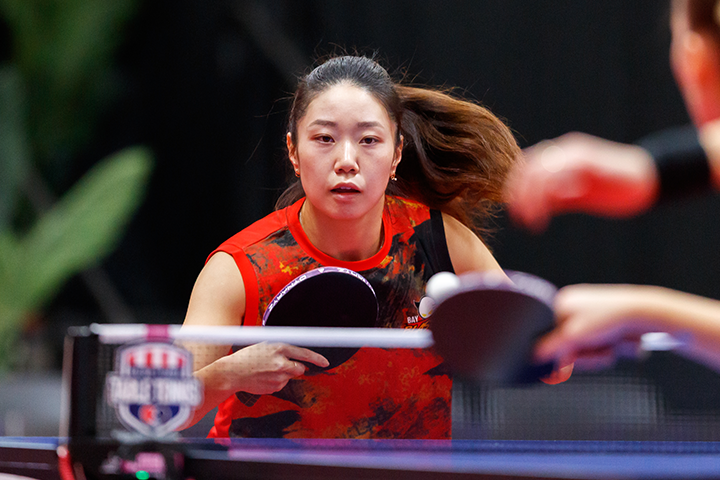
Teams That Could Surprise
Bay Area Blasters
The Blasters always seem capable of catching fire quickly. Their ceiling remains extremely high if their lineup availability stabilizes throughout the season.
Texas Smash
Texas continues building a competitive foundation and may become one of the most improved teams in the league, especially with a new international coach, Paul Drinkhall.
Los Angeles Spinners
Los Angeles feels like a team that could surprise people if their younger players make major jumps this season.
Final Thoughts
Season 4 feels different.
The overall talent level across MLTT continues rising, international recognition is growing, and teams are beginning to understand how to strategically build rosters specifically for the MLTT format instead of simply collecting talented players.
That evolution is important.
The league is no longer experimental.
Teams are now building identities, systems, chemistry, and long-term culture.
And that is exactly what professional sports leagues need in order to grow.
explore more news