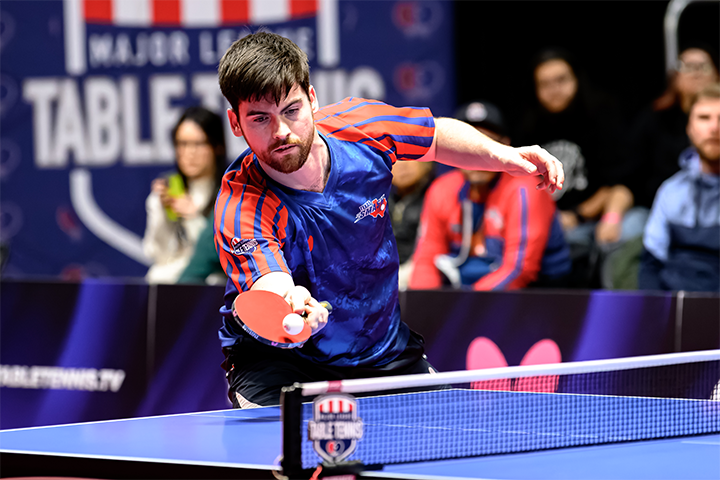
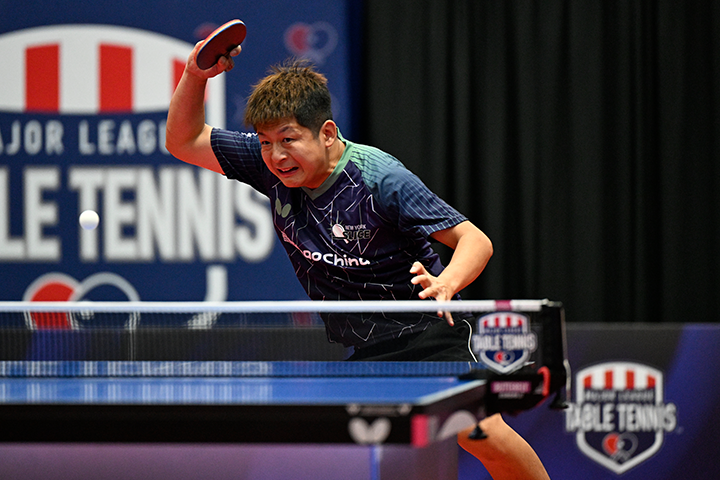
Chicago Wind Playoff Preview - Built for the moment
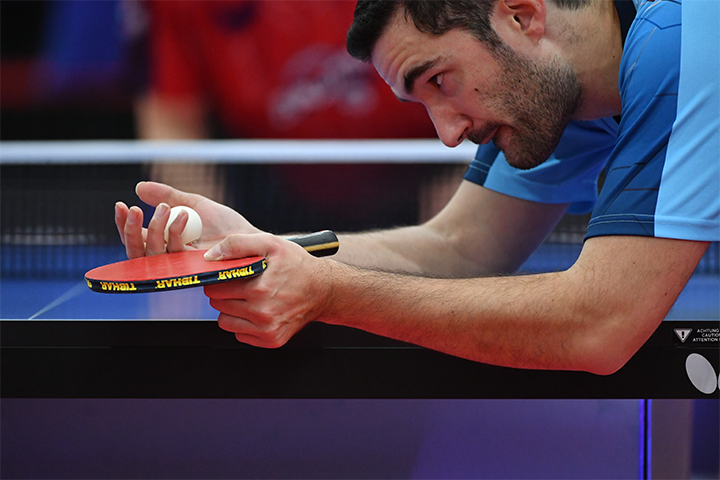
The Chicago Wind will enter Championship Weekend as one of the most statistically complete teams in Major League Table Tennis.
They are not just built on hype. They are built on production. When you look at those numbers, that production becomes very clear.
THE FOUNDATION: TWO ELITE ANCHORS
Robert Gardos has been one of the most efficient players in the league all season.
• SPINDEX: 2841
• Singles: 39–15 (72.2%)
• Doubles: 55.6%
• Power Rating: #3 overall
A 72 percent singles win rate in a three-game format is elite. In MLTT, every game counts as a team point, and he’s won more Singles games than anyone else in the league. Gardos consistently gives Chicago early control of matches. He forces opponents to chase.
Alongside him, Emmanuel Lebesson has delivered in the highest leverage moments.
• SPINDEX: 2790
• Singles: 34–20 (63%)
• Golden Game: 62%
• Power Rating: #5 overall
Lebesson’s Golden Game efficiency stands out. In the postseason, where the Golden Game determines the winner, that matters. He has been one of the league’s most reliable closers, a massive reason why he’s a two-time Player of the Week winner this season.
Two top-five power players bookending this roster. That is the structure that determines championships.
THE DIFFERENCE MAKER: JEONGWOO PARK
Jeongwoo Park has quietly been one of the most impactful players in the entire league.
• SPINDEX: 2782
• Singles: 18–9 (66.7%)
Park gives Chicago something few teams possess: a third Singles player who has won two-thirds of his matches. That depth allows the Wind to realistically target three of the four singles slots in any matchup.
When Chicago wins three singles matches, the entire team dynamic shifts. The Golden Game, the highest pressure moment in each match, becomes a weapon for the Wind.
STABILITY ACROSS THE LINEUP
Chicago does not have a weak link.
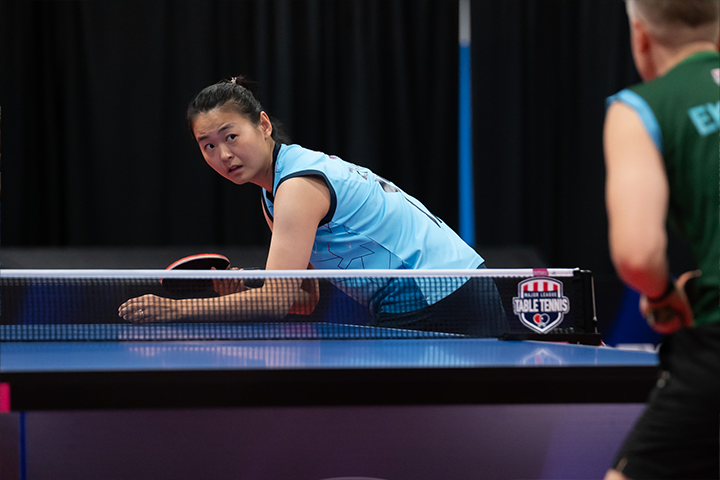
Mo Zhang has delivered steady production in the required female singles role.
• Singles: 25–20 (55.6%)
• Golden Game: 50.5%
She wins more than she loses. It’s a simple stat, but that prevents opponents from targeting the position and stabilizes Chicago’s lineup flexibility. It’s why she won the Season 2 Female MVP, and an important member of this team.
In addition, Alexandru Cazacu has provided value where it counts.
• Doubles: 66.7%
• Golden Game: 61.5%
His Doubles efficiency and Golden performance give Chicago rotational strength in pressure situations.
Sean Zhang and Daniel Tran provide depth and matchup options, allowing head coach Eric Owens to adjust based on opponent strengths.
WHERE THE TITLE WILL BE DECIDED
In Championship Weekend, the Golden Game determines the winner. There is no five-point cap on the carryover lead in the Finals, so large deficits will become even more difficult to surpass.
For Chicago to avoid that fate, the formula is clear:
1. Win three of four singles games whenever possible.
2. Go at least 2-1 in doubles.
3. Enter the Golden Game within two points.
If they meet any of those benchmarks, the numbers will be on their side:
Lebesson’s 62 percent Golden efficiency.
Gardos’ 72 percent singles production.
Park’s 66 percent win rate.
That is postseason math.
THE BIG PICTURE
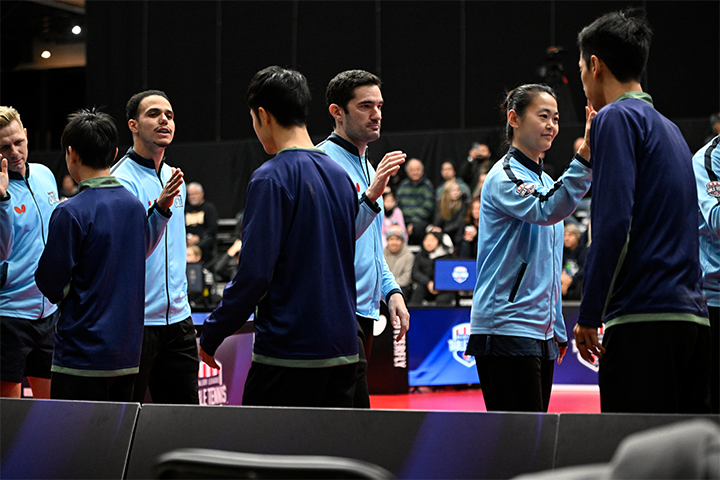
The Chicago Wind are not the loudest team in the league, but they are absolutely one of the most structurally sound.
They have:
• Two top-five power players
• A third elite singles contributor
• An above-average Golden performance
• One of the league’s best women in the Singles 2 slot
• Tactical flexibility across the middle
Championships are rarely about highlight shots. They are about stacking small advantages over seven matches and closing when it matters.
And the Chicago Wind have done that all season.
explore more news